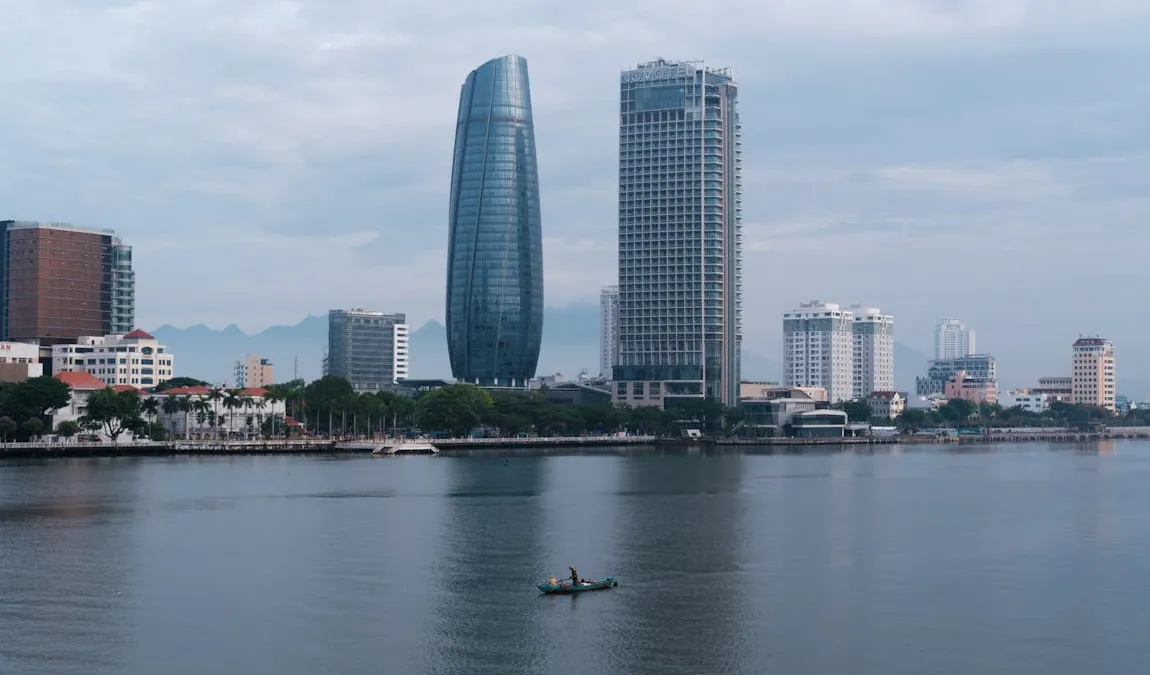
Why Vietnam Is 2026's Top Digital Nomad Destination
Vietnam ranks 10th worldwide for fixed internet at 261 Mbps. Low costs, a 90-day e-visa, and Da Nang make it 2026's standout digital nomad base.
A decade ago, every remote worker heading to Southeast Asia booked a flight to Chiang Mai or Bali. In 2026 the smart money is moving to Vietnam. Da Nang just landed on Forbes’ list of the cities digital nomads are flocking to, the internet is among the fastest on Earth, and a coffee plus lunch still costs less than a single latte back home.
So is the hype real, or is this just the next place to get loved to death? I dug into the actual numbers: internet speeds, monthly budgets, visa rules, and the things nobody puts in the brochure. Here is the honest case for Vietnam as 2026’s top digital nomad destination, downsides included.
Key Takeaways
- Vietnam ranked 10th globally for fixed broadband in August 2025 at about 261.8 Mbps (Ookla Speedtest Global Index).
- Da Nang placed 4th on Forbes’ 2026 list of digital nomad cities, with an all-in budget near 900 to 1,137 USD a month.
- There is no dedicated nomad visa. The 90-day e-visa (50 USD) is the workaround, unlike Thailand’s 5-year DTV.
- The biggest catch is air quality: Hanoi hit an AQI of 208 in December 2025, so coastal Da Nang is the safer base.
Is Vietnam Really 2026’s Top Digital Nomad Base?
On the metrics that matter most to remote workers, yes. Vietnam combines top-10 internet speeds, a cost of living index of 26.05 (one of the lowest in Asia per Numbeo, May 2026), and a high safety score. Da Nang’s appearance at number 4 on Forbes’ 2026 nomad-city ranking confirms the shift is real, not just travel-blog noise.
The case is strong, but it is not flawless. Vietnam has no purpose-built nomad visa, and Hanoi’s air quality is genuinely poor in winter. Treat “top destination” as a verdict on value, connectivity, and safety, not on bureaucracy or clean air everywhere.
According to Time Out reporting on Forbes’ March 2026 ranking, Da Nang was one of only two Asian cities in the global top eight, sitting one spot behind Chiang Mai (Time Out, 2026). For a country that lacks a formal nomad program, that ranking is remarkable, and it reflects what remote workers experience day to day.

For the wider picture beyond remote work, our ultimate travel guide to Vietnam covers destinations, food, and culture in depth.
How Fast Is the Internet in Vietnam?
Fast enough to forget you ever worried about it. In August 2025, Vietnam ranked 10th in the world for fixed broadband with a median of around 261.8 Mbps, its highest position since 2017, and 16th for mobile at roughly 134 Mbps (VietnamNet, reporting the Ookla Speedtest Global Index, 2025).
That was the first time the country placed both fixed and mobile speeds inside the global top 20. For context, that fixed-line median beats what most nomads get in Western Europe. Large file uploads, 4K screen shares, and back-to-back video calls are non-issues in Da Nang and Ho Chi Minh City.
One honest caveat: crowd-sourced nomad sites sometimes list much lower numbers for individual cafes, because those samples capture busy mobile connections, not fixed lines. Pick an apartment or coworking space with wired fiber and you get the headline speed. Need a backup for travel days? Our travel eSIM guide explains how to stay online between cities.
What Does It Actually Cost to Live There?
Less than almost any comparable hub. Most nomads spend between 900 and 1,300 USD a month in Vietnam. Da Nang is the value leader at roughly 900 to 1,137 USD all-in, with one-bedroom rents around 350 to 500 USD (Nomads.com, 2026). Ho Chi Minh City sits a little higher, near 1,000 USD for a comfortable lifestyle.
Vietnam’s national cost of living index is just 26.05, one of the lowest in Asia (Numbeo, May 2026). A bowl of pho runs about 2 USD, strong Vietnamese coffee under 1 USD, and a month of coworking often lands between 80 and 130 USD. Those small daily savings compound into real monthly buffer.
How does that compare to the old favorites? Chiang Mai and Bali still cost more once rent and lifestyle are included, which is exactly why the value-focused crowd is shifting north and east.
Our take: the headline savings are not in rent alone. They are in the dozens of tiny daily transactions, where street food, coffee, and transport each cost a fraction of Bali or Lisbon. That is what stretches a modest income into a comfortable life.
What About Visas for Remote Workers?
Here is the weak spot. Vietnam has no dedicated digital nomad visa in 2026. Remote workers rely on the 90-day e-visa, which costs 50 USD for multiple entry, was opened to all nationalities, and covers tourism and business (Vietnam national e-visa portal). A “Golden Visa” was proposed in 2025 but has no legislative timeline.
Ninety days is generous by regional standards, and the e-visa is fully online with no embassy visit. But it does not authorize local employment, so nomads working for foreign clients sit in the same legal gray zone common across the region. Plan border hops or renewals around that 90-day window.
Compare that to Thailand’s Destination Thailand Visa (DTV), launched in July 2024: five years of validity, 180 days per entry, and a cost near 280 USD against a funds requirement of about 14,000 USD (ThaiEmbassy.com, 2024). On paper Thailand wins the visa contest outright.
| Feature | Vietnam e-visa | Thailand DTV |
|---|---|---|
| Dedicated nomad visa | No | Yes |
| Max stay per entry | 90 days | 180 days |
| Validity | Single trip | 5 years |
| Cost | About 50 USD | About 280 USD |
| Proof of funds | None | About 14,000 USD |
| Authorizes local work | No | No |
So why does Vietnam still win overall for many people? Because the e-visa is cheap, instant, and demands no bank statements, while the day-to-day cost and connectivity beat the alternatives. For the full menu of options, see our digital nomad visa guide for 2026, and read why border runs are dying across Southeast Asia before you plan repeat entries.
Where Should Nomads Actually Base Themselves?
Da Nang first, then decide. Forbes ranked Da Nang 4th among 2026 cities digital nomads are moving to, and Nomads.com gives it a score of 4.14 out of 5 (Nomads.com, 2026). It pairs a long sandy beach, low costs, and clean coastal air with the fast internet covered above.
Ho Chi Minh City is the choice for energy, nightlife, and meeting other founders and clients. Hoi An, a 40-minute drive from Da Nang, offers a slower, UNESCO-listed riverside life. Hanoi has the deepest culture but the worst air, so I would not make it a long-term base in winter.

Ready to price a stay in the hero city? Compare hotels and serviced apartments in Da Nang across Booking, Expedia, and more on one map:
For a longer-term rhythm, many nomads pair Vietnam with stints elsewhere in the region. Our Chiang Mai digital nomad guide and Thailand visa guide help you build a multi-country year.
What Are the Honest Downsides?
Three things temper the hype. First, air quality. Hanoi recorded an AQI of 208, rated very unhealthy, on December 2, 2025, ranking among the world’s 10 most polluted major cities, with a 2024 annual PM2.5 average near 45 micrograms, roughly eight times the WHO guideline (IQAir, 2025).
Second, banking friction. Since September 2025, larger transfers in Vietnam require live biometric verification, which is awkward for foreigners without a local bank account and national ID. Keep a multi-currency card and some cash buffer. Third, the language barrier and admin are heavier than in Thailand or the Philippines, and Nomads.com even flags Da Nang’s subjective “happiness” score as weak despite its strong infrastructure.
None of these are deal-breakers if you base yourself in coastal Da Nang or Hoi An, sort banking early, and learn a few phrases. They are the difference between a smooth move and a frustrating one. Weighing the wider region? Our guide to living in the Philippines makes a useful contrast on language and cost.
Frequently Asked Questions
Does Vietnam have a digital nomad visa in 2026?
No. Vietnam has no dedicated digital nomad visa as of 2026. Most remote workers use the 90-day e-visa, which costs 50 USD for multiple entry and covers tourism and business. A Golden Visa was proposed in 2025 but has no legislative timeline.
How fast is the internet in Vietnam for remote work?
Very fast. Vietnam ranked 10th worldwide for fixed broadband in August 2025 at about 261.8 Mbps, and 16th for mobile, per the Ookla Speedtest Global Index. Cafe and apartment WiFi in Da Nang and Ho Chi Minh City handles video calls with ease.
How much does it cost to live in Vietnam as a digital nomad?
Most nomads spend 900 to 1,300 USD a month. Da Nang is the value leader at around 900 to 1,137 USD all-in per Nomads.com, with one-bedroom rents near 350 to 500 USD. Ho Chi Minh City runs slightly higher, near 1,000 USD for a comfortable lifestyle.
Which Vietnamese city is best for digital nomads?
Da Nang. Forbes ranked it 4th among 2026 cities nomads are moving to. It pairs a beach, low costs, and clean coastal air with fast internet. Ho Chi Minh City suits nightlife and clients, while Hanoi has notably worse winter air quality.
Is Vietnam safe for digital nomads?
Generally yes. Vietnam scored 60.11 on Numbeo’s Safety Index (high) as of May 2026 and ranked 38th in the 2025 Global Peace Index. Petty theft and traffic are the main risks. Violent crime against foreigners is rare across the main nomad cities.
The Verdict
Vietnam earns its claim as 2026’s top digital nomad destination on the things you feel every day: top-10 internet, some of the lowest costs in Asia, a high safety score, and a beach city, Da Nang, that the world is finally noticing. The trade-offs are real, mainly the missing nomad visa and Hanoi’s winter smog, but they are manageable with smart choices.
Base yourself in Da Nang or Hoi An, treat the 90-day e-visa as your clock, sort banking on arrival, and you get a remote-work life that is hard to match anywhere else for the money. Start by comparing flights to Da Nang and pricing a first month’s stay, then build your route across the region from there.
Affiliate disclosure: this post may contain affiliate links. If you book via our partners we earn a commission at no extra cost to you. Read the full disclosure.
Read next

Save Money Booking Southeast Asia 2026: Honest 5-Site Comparison
Westerners overpay $300-700 on Southeast Asia trips. Honest comparison: Google Flights vs Expedia vs Booking vs Trip.com vs Paglipat, with real prices.
May 14, 2026
Thailand Fat Camps: The Honest Guide to Weight Loss Retreats
Thailand became the world's weight loss camp capital for a reason. Muay Thai fitness programs in Phuket, detox retreats in Koh Samui, wellness sanctuaries in C…
Apr 24, 2026
We Sponsored an Amateur Football Tournament in the Philippines. Here'…
Paglipat sponsored a 7-a-side amateur football tournament in the Philippines. One YouTuber, a multinational squad, and the dream of proving that money can buy…
Mar 15, 2026